


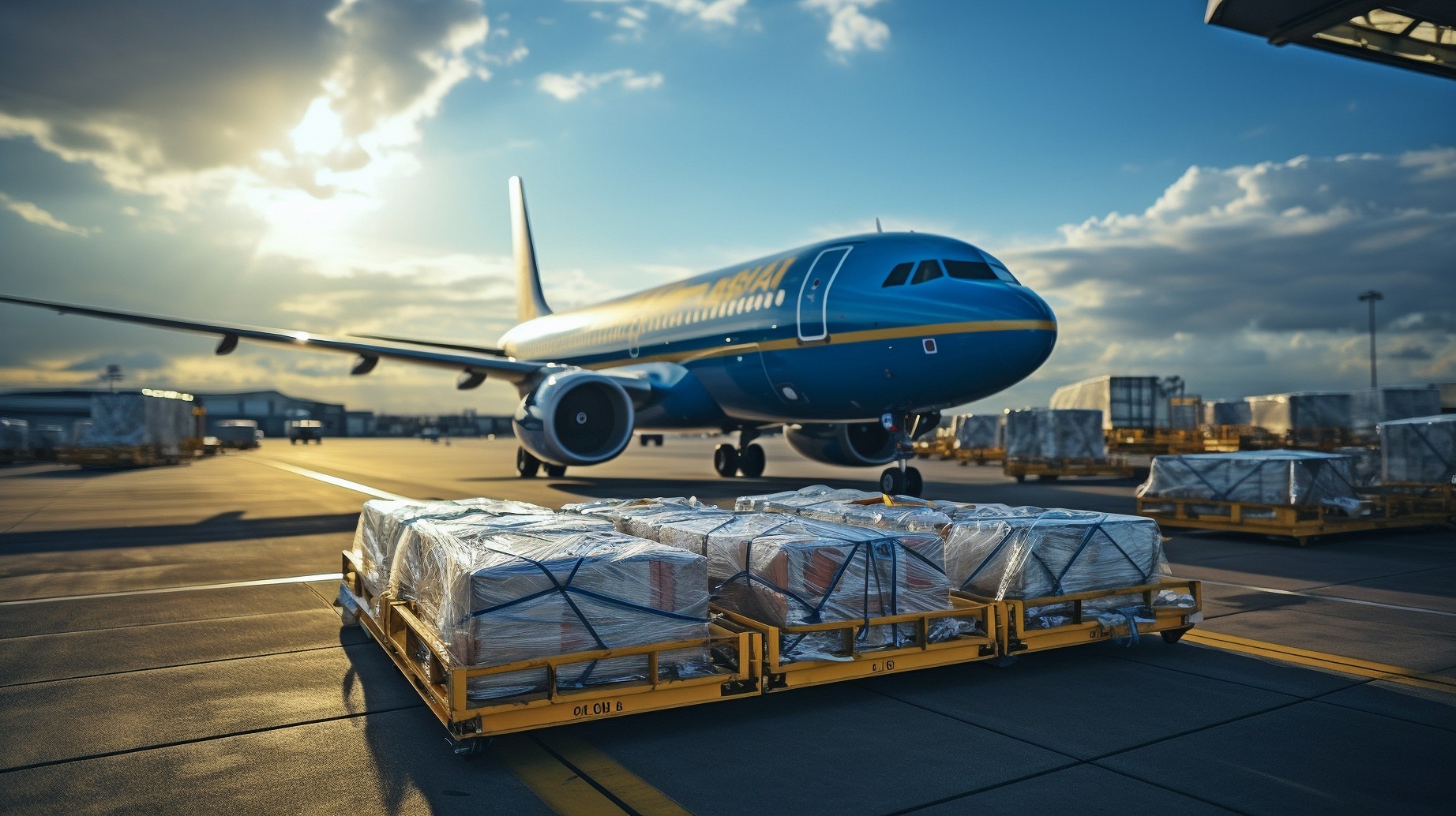
Shipping goods across international borders is a complex yet essential function for businesses engaging in global trade. Whether you’re a manufacturer, wholesaler, or online retailer, understanding how freight moves from one country to another is critical to ensuring on-time deliveries, managing costs, and maintaining customer satisfaction. This guide will walk through the entire international freight shipping process step by step, from the moment you plan a shipment to the final delivery at your customer’s door.
The journey begins with preparation. Before any cargo moves, it’s important for the shipper to clearly understand what is being shipped, where it’s going, and how quickly it needs to arrive. This involves classifying the goods, verifying their eligibility for international shipment, and checking any destination-specific restrictions or documentation requirements. A common mistake businesses make is assuming all goods can be freely transported; however, many countries maintain strict import controls on certain products, especially chemicals, electronics, food items, and pharmaceuticals. Conducting a pre-shipment compliance review can help avoid delays at customs.
Once the shipment details are finalized, the next phase is booking and documentation. This typically involves working with a freight forwarder or logistics provider like Euphoria Shipping & Logistics, who handles the coordination with carriers and secures space on vessels, aircraft, or trucks. During this stage, essential shipping documents are prepared, including the commercial invoice, packing list, bill of lading (or air waybill), certificate of origin, and any applicable export licenses. These documents not only serve as legal proof of the transaction but are also necessary for customs clearance at both the origin and destination countries.
Cargo must then be properly packaged and labeled. Packaging is more than a formality; it protects the goods during handling, transit, and storage. Depending on the mode of transport, different packaging standards may apply. For ocean freight, cargo should be able to withstand moisture, pressure, and long durations in transit. For air freight, lighter packaging may be preferred to reduce weight-based charges. Proper labeling ensures that handlers know how to treat the cargo, and it assists customs officers in identifying the contents quickly.
After packaging, the cargo is picked up and moved to the origin port or airport. This is the first leg of the physical journey, and it’s usually handled by local trucking partners. Timing is critical at this stage, as missing a scheduled departure can delay the entire shipment. It’s here that logistics providers prove their value by coordinating tightly between all stakeholders to avoid bottlenecks.
At the port or airport, cargo is consolidated (if it’s part of an LCL or groupage shipment) and prepared for loading. For full container loads (FCL), the entire container may be sealed and sent directly onto the ship. Once loaded, the shipment departs, and the international leg begins. For ocean freight, this leg could take anywhere from a few days to several weeks depending on the route. Air freight is considerably faster but more expensive.
While the cargo is en route, it’s vital to keep stakeholders informed. Real-time tracking, shipping status updates, and estimated arrival times all help manage expectations and avoid operational surprises. Euphoria Shipping & Logistics uses advanced tracking tools to provide this visibility, allowing clients to monitor their shipments around the clock.
Upon arrival at the destination country, the next critical phase is customs clearance. Customs authorities review the documentation and inspect the cargo if necessary. If all documents are accurate and complete, clearance typically occurs quickly. However, missing or incorrect paperwork can result in costly delays, fines, or even seizure of goods. This is why working with an experienced customs broker or logistics provider is invaluable.
Once cleared, the shipment proceeds to its final destination. This last leg of the journey is often referred to as “last-mile delivery” and may involve transportation by truck, rail, or courier services depending on the location and urgency. The cargo is delivered to the consignee, and the shipment is officially complete. Proof of delivery (POD) is collected, and the shipper receives confirmation that the transaction is finalized.
The process doesn’t quite end there. Many companies now use post-delivery reviews to evaluate the performance of their logistics providers, assess costs, and identify areas for improvement. Gathering feedback from customers about delivery times, condition of goods, and overall experience also helps refine future shipments.
In summary, international freight shipping is a multi-stage process that demands attention to detail, coordination among numerous parties, and a deep understanding of global trade regulations. From planning and documentation to customs clearance and delivery, each step plays a crucial role in ensuring successful shipment outcomes. By partnering with a trusted provider like Euphoria Shipping & Logistics, businesses can streamline this process, reduce risk, and unlock new opportunities in the global marketplace.


